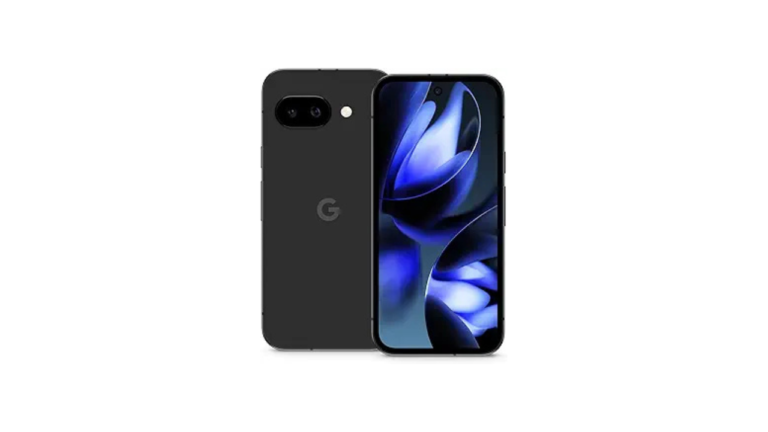
South Korea’s smartphone market remains a battleground dominated by local giant Samsung, which commands an impressive 82% market share, up 4% from the previous year. This dominance is fueled by innovative AI integrations, foldable designs, and aggressive carrier subsidies that keep premium devices accessible. Apple holds a solid 18% slice, appealing to younger users with seamless ecosystem perks like T-Money integration via Apple Pay. Other brands like Xiaomi and LG trail far behind, with minimal presence in premium segments. With smartphone penetration exceeding 95%, South Koreans prioritize cutting-edge tech, durability, and value—making foldables and AI-enhanced flagships the stars.
Based on sales data, consumer surveys, and market analyses from sources like Counterpoint Research and Statista, here’s our curated list of the top 7 best smartphones available in South Korea right now. Rankings factor in local sales performance, user reviews, and features tailored to Korean preferences like high-refresh-rate displays for gaming and robust camera systems for social media. Prices are approximate in KRW (converted from USD at current rates) and reflect carrier-subsidized retail.
1. Samsung Galaxy S25 Ultra
The undisputed king of the South Korean market, the Galaxy S25 Ultra has sold over 3 million units locally within six months of its early 2025 launch—outpacing its predecessor by two months. Priced around 1,800,000 KRW, it boasts a 6.8-inch Dynamic AMOLED 2X display with 120Hz refresh, Snapdragon 8 Gen 4 processor, and a 200MP main camera that excels in low-light K-pop concert shots. Galaxy AI features like real-time translation and photo editing are game-changers for multilingual Seoul commuters. Battery life lasts up to 18 hours of heavy use, and S Pen support makes it ideal for note-taking pros.
2. Samsung Galaxy Z Fold7
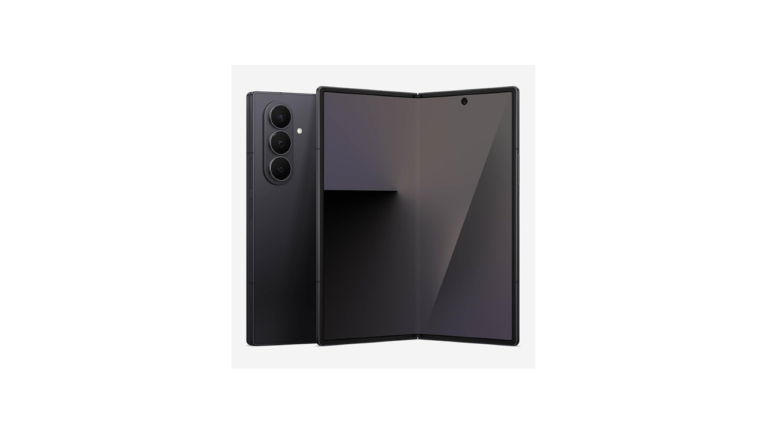
Folding phones are having a moment in Korea, and the Z Fold7 leads with its slimmer 4.2mm unfolded profile and reduced screen crease—perfect for multitasking during long subway rides. At about 2,200,000 KRW, it features a 7.6-inch inner Flex AMOLED and a 50MP triple camera setup enhanced by AI object removal. Powered by the same Snapdragon chip as the S25, it handles gaming like Genshin Impact flawlessly. Sales are strong among premium buyers, representing a growing chunk of Samsung’s shipments, though it’s pricier than slabs.
3. Apple iPhone 17 Pro Max
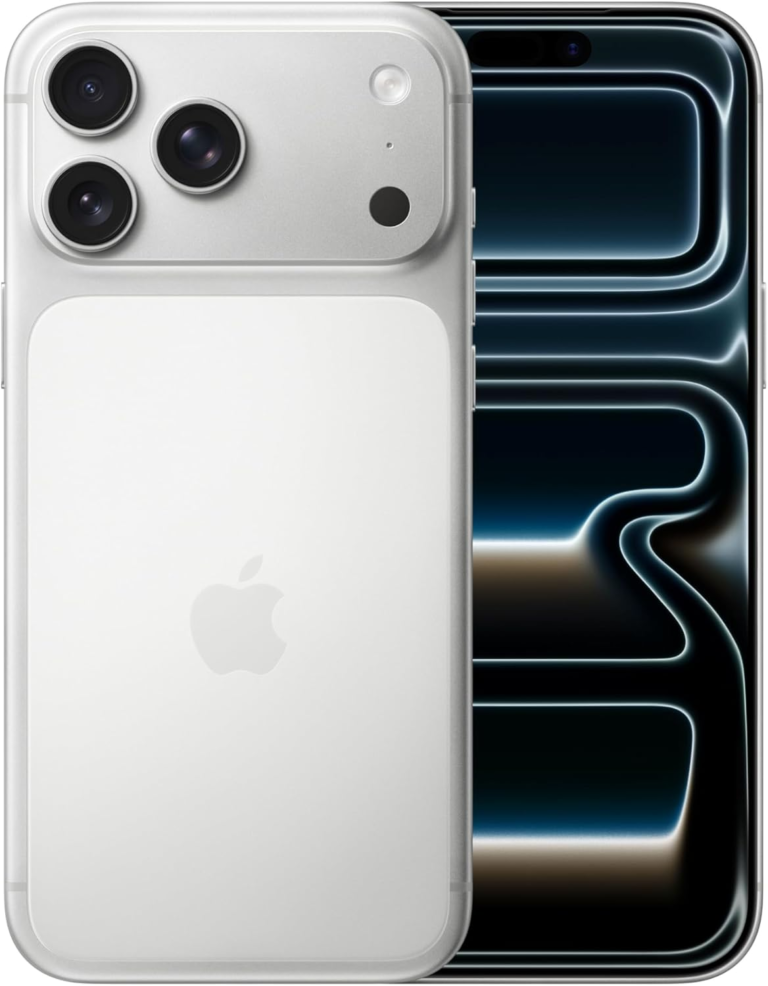
Apple’s latest powerhouse secures third spot with 18% brand loyalty among youth, thanks to its A19 Bionic chip and rumored under-display Face ID for a notchless 6.9-inch Super Retina XDR screen. Starting at 1,650,000 KRW, the iPhone 17 Pro Max shines with a 48MP triple camera system optimized for 4K ProRes video—ideal for vlogging in bustling Hongdae. iOS 19’s Apple Intelligence adds contextual Siri upgrades, and up to 29 hours of battery life edges out competitors. Challenges loom with potential tariff hikes ahead of its September refresh, but it’s a safe, ecosystem-locked bet.
4. Samsung Galaxy S25+
For those wanting flagship power without the Ultra’s bulk, the S25+ offers a 6.7-inch display, 12GB RAM, and identical camera prowess at a friendlier 1,500,000 KRW. It captured 21% of total sales in the S25 series, blending AI smarts like Circle to Search with IP68 water resistance. Excellent for K-drama binging with adaptive refresh rates and wireless charging—it’s the balanced choice for everyday Seoul life.
5. Samsung Galaxy Z Flip7
Compact and stylish, the Z Flip7 flips the script on pocketable premium phones, with a 6.7-inch cover screen for quick glances and a 3.4-inch Flex Window for notifications. Priced at 1,400,000 KRW, its 50MP dual cameras deliver fun, vertical selfies, while the Snapdragon processor ensures smooth performance. Strong demand in foldables makes it a trendy pick for fashion-forward users, though battery life (3,700mAh) is best for lighter days.
6. Apple iPhone 16 Pro
Still a bestseller from late 2024, the iPhone 16 Pro holds value with its 6.3-inch always-on display and A18 Pro chip, now at discounted 1,300,000 KRW post-iPhone 17 launch. The 48MP fusion camera with macro mode is stellar for foodie Instagrams in Myeongdong, and Action Button customization adds utility. With 27 hours of video playback, it’s reliable for Apple fans waiting out the Pro Max upgrade cycle.
7. Samsung Galaxy S25
Rounding out the podium for budget-conscious flagships, the base S25 delivers 6.2-inch compactness, 50MP cameras, and Galaxy AI at just 1,200,000 KRW. It punched above its weight in sales, appealing to upgraders from older models with 45W fast charging and seven years of updates. Great for one-handed use in crowded markets, though it skips the Ultra’s telephoto zoom.
Why These Phones Dominate in South Korea
Samsung’s trifecta (S25 series and folds) accounts for the lion’s share due to local R&D alignment with Korean tastes—think AI for language barriers and foldables for space-saving urbanites. Apple’s duo thrives on premium build and services, but faces headwinds from subsidies favoring Android. Looking ahead, expect the iPhone 17 series to shake things up in Q4, while Samsung teases more affordable folds like the S25 FE.
If you’re shopping, check carriers like SK Telecom for deals—subsidies can slash 30-50% off. Which one’s calling your name? Drop a comment below!
Sources: Counterpoint Research (September 2025 sales data), Statista (brand popularity surveys), and Accio market analyses.