Angular cheilitis—those painful, red cracks at the corners of your mouth—is usually caused by a fungal or bacterial infection that thrives in the moisture of trapped saliva. Because it’s an infection rather than just dry skin, standard lip balms often aren’t enough to clear it up.
Here are five of the best creams and ointments to treat angular cheilitis, categorized by how they address the underlying cause.
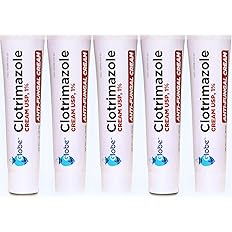
1. Clotrimazole 1% Cream (Antifungal)
4.7 out of 5 ratings
Since roughly 90% of angular cheilitis cases involve a fungal infection (specifically Candida yeast), an antifungal is often the first line of defense.
- How it works: It kills the fungus responsible for the irritation and prevents it from spreading.
- Common Brands: Lotrimin AF, Canesten.
- Pro Tip: Look for the “Athlete’s Foot” or “Jock Itch” versions; as long as the active ingredient is Clotrimazole, it is effective for the skin at the corners of the mouth.
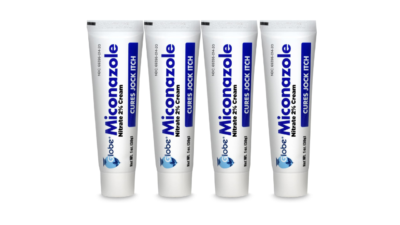
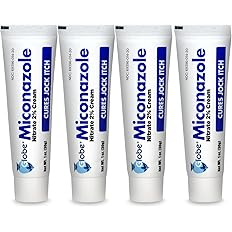
2. Miconazole 2% Cream (Antifungal + Antibacterial)
4.7 out of 5 ratings
Miconazole is a versatile choice because it addresses both yeast and certain types of bacteria (Gram-positive) that often complicate the infection.
- How it works: It offers a dual-action approach, making it particularly effective if you aren’t sure whether the cause is purely fungal.
- Common Brands: Monistat Derm, Micatin, Daktarin.
- Usage: Apply a thin layer to the affected corners 2–3 times daily for about two weeks.
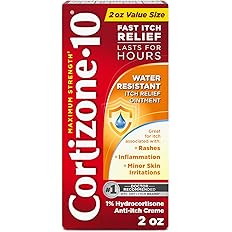
3. Hydrocortisone 1% Ointment (Anti-inflammatory)
4.7 out of 5 ratings
If the area is severely swollen, itchy, or bright red, a low-dose steroid can provide immediate relief from the discomfort.
- How it works: It reduces inflammation and calms the skin’s immune response.
- Important Note: Use this sparingly and only for a short period (usually no more than 7 days). Overusing steroids on the thin skin around the mouth can lead to skin thinning. It is often most effective when used alongside an antifungal.
4. Mupirocin 2% Ointment (Antibacterial)
4.7 out of 5 ratings
If your doctor determines the infection is bacterial (often caused by Staphylococcus aureus), you will likely need a topical antibiotic.
- How it works: It stops the growth of bacteria that have colonized the cracks in the skin.
- Availability: In many regions, mupirocin is prescription-only. If you notice yellow crusting or oozing, it’s a sign of bacterial infection and you should consult a professional.
- Common Brands: Bactroban.
5. Petrolatum-Based Barrier Ointments (Protection)
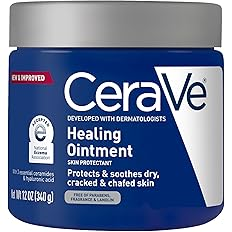
4.7 out of 5 ratings
While not an “active” medicated treatment, a thick barrier is essential to prevent saliva from further irritating the open wounds.
- How it works: It creates an occlusive seal that keeps saliva out, allowing the skin underneath to heal.
- Common Brands: Aquaphor Healing Ointment, Vaseline.
- How to use: Apply these over your medicated creams (like Clotrimazole) to lock the medicine in and keep external moisture out.
Summary Table
Cream Type Best For Active Ingredient Antifungal Most cases (Yeast/Candida) Clotrimazole Dual Action Mixed infections Miconazole Steroid Extreme redness and itching Hydrocortisone Antibiotic Bacterial (crusty/oozing) Mupirocin Barrier Prevention and protection White Petrolatum
A Quick Warning
If the cracks haven’t cleared up after 14 days of over-the-counter treatment, or if they are spreading toward your cheeks, visit a healthcare provider. Angular cheilitis can sometimes be a sign of a vitamin B12, iron, or zinc deficiency, which may require supplements rather than just a topical cream.