March 2026 – Global News Analysis
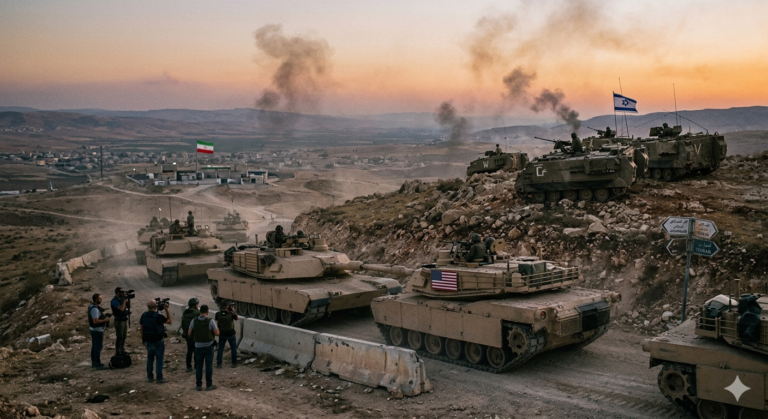
The escalating conflict in the Middle East is sending shockwaves across the global economy, raising fears of prolonged instability in energy markets, rising inflation, and shifting geopolitical alliances. As tensions intensify, analysts warn that the consequences may extend far beyond the region, affecting everything from fuel prices to global trade.
Oil Markets on Edge
The Middle East remains the world’s most critical oil-producing region. Any disruption—especially near key routes like the Strait of Hormuz—immediately impacts global supply.
Oil prices have surged due to fears of supply shortages Shipping risks and insurance costs have increased Countries dependent on imports, like the Philippines, face rising fuel costs
If the conflict escalates further, a supply shock could push oil prices sharply higher, triggering a global energy crisis.
Stronger Dollar, Weaker Emerging Economies
During times of crisis, investors turn to the US dollar as a safe haven.
The dollar strengthens as capital flows into the United States Emerging market currencies weaken, increasing debt burdens Countries with dollar-denominated loans face higher repayment costs
This creates additional pressure on developing economies already struggling with inflation.
Inflation and Rising Cost of Living
Higher oil prices feed directly into inflation:
Transportation and electricity costs increase Food prices rise due to higher logistics expenses Businesses pass costs to consumers
For many households worldwide, this means a higher cost of living and reduced purchasing power.
Global Trade Disruptions
The Middle East is a major hub for international trade routes.
Shipping delays and rerouting increase costs Supply chains become less predictable Key industries (manufacturing, aviation, shipping) face disruptions
If the conflict spreads, global trade could slow significantly.
Possible Economic Scenarios
1. Short-Term Conflict (Limited Impact)
If tensions ease quickly:
Oil prices stabilize Markets recover Economic damage remains temporary
2. Prolonged War (High Impact)
If fighting continues for months:
Sustained high oil prices Persistent inflation Slower global economic growth
3. Regional Escalation (Severe Impact)
If more countries become involved:
Major oil supply disruption Global recession risk Financial market instability
Shifting Global Power Dynamics
The conflict could also reshape global alliances:
Energy-importing nations may seek alternative suppliers Major powers could increase involvement in the region Discussions about reducing reliance on Middle East oil may accelerate
Organizations like the International Monetary Fund have warned that geopolitical fragmentation could weaken long-term global growth.
Impact on the Other Countries
Higher fuel prices → increased transport fares Rising electricity costs Pressure on inflation and household budgets
The country’s heavy dependence on imported oil makes it especially vulnerable.
Conclusion
The war in the Middle East is more than a regional conflict—it is a global economic threat. Its impact is already being felt through rising oil prices, inflation, and currency shifts.
While the full outcome remains uncertain, one thing is clear:
The longer the conflict continues, the greater the risk to the global economy.