Overview
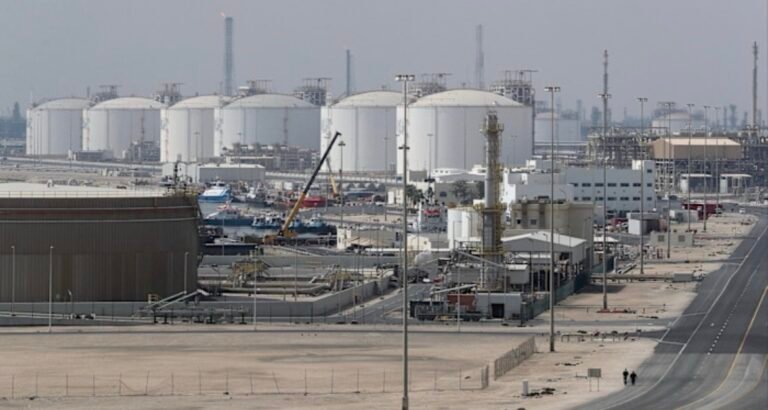
In a dramatic escalation of conflict in the Middle East, the world’s largest liquefied natural gas (LNG) export facility—located in Ras Laffan Industrial City, Qatar—has been struck by Iranian missiles. The attack marks one of the most significant disruptions to global energy infrastructure in recent history, sending shockwaves through international markets and geopolitical circles.
What Happened?
According to multiple reports, Iran launched missile strikes targeting Qatar’s Ras Laffan LNG complex, the largest LNG production hub in the world. The strike was part of a broader retaliation following earlier attacks on Iran’s own gas infrastructure.
Several missiles were fired, with at least one hitting the facility directly, causing fires and extensive damage. Critical LNG processing units (“trains”) were damaged, halting part of production. Emergency evacuations were conducted, with no reported casualties.
Why This Facility Matters
Ras Laffan is not just any energy site—it is the largest LNG export facility on Earth, supplying a major portion of global natural gas demand.
Qatar is one of the world’s top LNG exporters, providing energy to Asia and Europe. The facility alone contributes a massive share of global LNG supply, making it critical for electricity, heating, and industrial use worldwide.
Scale of the Damage
Initial estimates suggest severe and long-term consequences:
Around 17% of Qatar’s LNG export capacity has been lost due to the attack. Repairs could take 3 to 5 years, depending on the extent of damage. Economic losses are projected at $20 billion annually.
This is not just a local issue—it’s a global energy crisis in the making.
Global Impact
The attack is already reshaping global markets:
Energy prices are surging, with oil exceeding $110 per barrel and gas prices spiking sharply. Countries heavily reliant on Qatari LNG—like Japan, South Korea, China, and parts of Europe—face potential shortages. Analysts warn of long-term supply disruptions and inflationary pressure worldwide.
Geopolitical Context
The strike is part of a rapidly escalating regional conflict:
The crisis began after attacks on Iran’s South Pars gas field, the world’s largest natural gas reserve shared with Qatar. Iran responded by targeting energy infrastructure across Gulf countries, including Qatar. Experts warn this could signal a new phase of warfare focused on energy systems.
What Happens Next?
Qatar has begun assessing damage and may declare force majeure on some LNG contracts, affecting long-term supply agreements worldwide.
Recovery depends heavily on whether tensions de-escalate. Continued attacks could further destabilize global energy supply and push prices even higher.
Conclusion
The missile strike on Qatar’s LNG hub is more than a regional military event—it is a global economic and energy crisis trigger. With supply chains disrupted and geopolitical tensions rising, the world is now facing a period of uncertainty in both energy security and international stability.