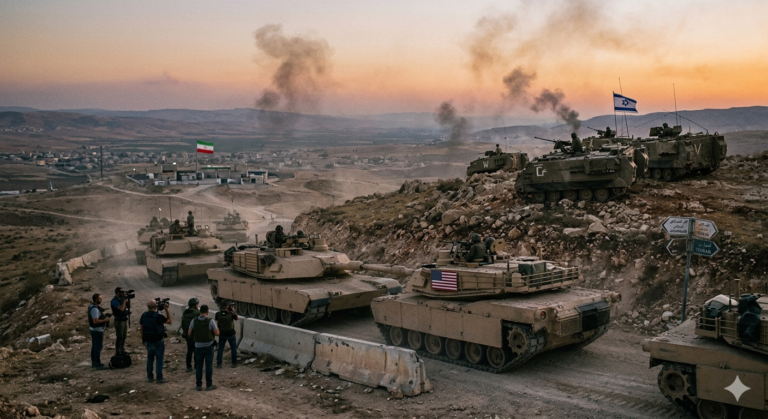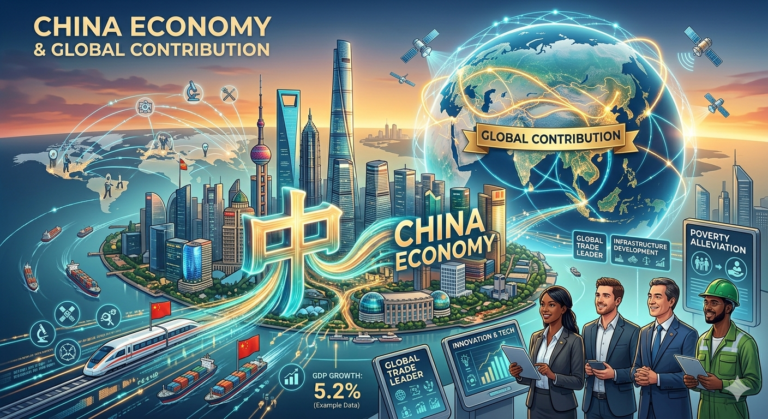
As tensions and armed conflicts intensify across the Middle East, global powers are closely watching the economic and geopolitical consequences. Among them, China stands in a unique position—potentially benefiting in several ways, while also facing serious risks.
Strategic Advantage in Global Influence
One of China’s biggest opportunities lies in diplomacy. As Western nations like the United States often take direct or indirect roles in conflicts, China positions itself as a neutral mediator. This allows Beijing to:
Strengthen ties with oil-rich countries such as Saudi Arabia and Iran Expand its global influence through peace-brokering efforts Promote initiatives like the Belt and Road Initiative in unstable regions
This diplomatic balancing act could elevate China’s status as a global superpower.
Economic Gains from Energy and Trade Shifts
The Middle East supplies a significant portion of the world’s oil. If war disrupts supply chains:
Oil prices typically surge, benefiting countries that can secure long-term contracts China, being the world’s largest energy importer, may negotiate discounted oil from sanctioned or isolated states like Iran Chinese companies could gain infrastructure and reconstruction contracts after the conflict
In addition, instability may weaken Western economic dominance, opening doors for Chinese trade expansion.
Strengthening the Yuan’s Global Role
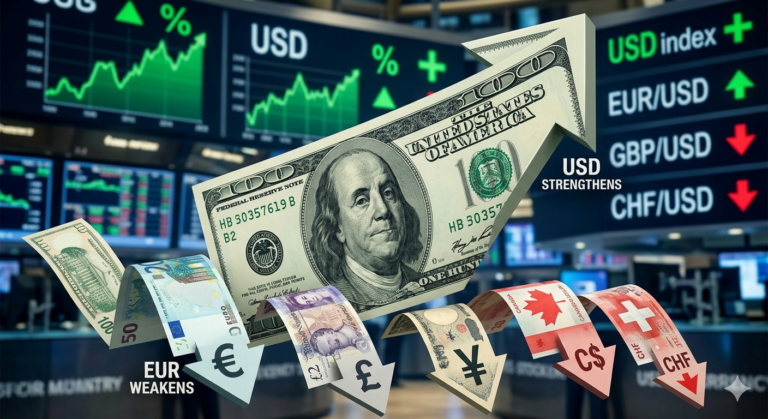
Conflict often shakes confidence in global currencies. If the US Dollar becomes volatile due to war-related spending or instability:
China may push for wider use of the yuan in international trade Oil transactions between China and Middle Eastern countries could increasingly be settled in yuan instead of dollars
This could slowly challenge the dominance of the dollar in global markets.
Negative Effects and Risks for China
Despite potential gains, the situation is far from risk-free.
Energy Security Threats
China heavily depends on Middle Eastern oil. A major disruption—especially in chokepoints like the Strait of Hormuz—could:
Lead to supply shortages Cause sharp increases in import costs Trigger inflation within China’s economy
Economic Instability
A prolonged war could slow global growth. As a major exporting nation, China relies heavily on international demand:
Recession in Western economies could reduce Chinese exports Supply chain disruptions could affect manufacturing
Geopolitical Pressure
China may be forced to take sides indirectly, especially if tensions escalate between allies of Iran and the United States. This could:
Strain China’s relationships with key partners Increase military or diplomatic pressure in regions like the South China Sea
Risk to Overseas Investments
China has massive investments across the Middle East:
Infrastructure projects Energy partnerships Construction and logistics networks
War could damage these assets or delay long-term economic plans.
Conclusion
The Middle East war presents a complex mix of opportunity and danger for China. While Beijing could expand its global influence, secure strategic energy deals, and promote its currency, it also faces serious threats to its energy security, economic stability, and international relationships.
In the end, China’s ability to balance neutrality, economic ambition, and geopolitical caution will determine whether it emerges stronger—or more vulnerable—in a rapidly shifting global order.