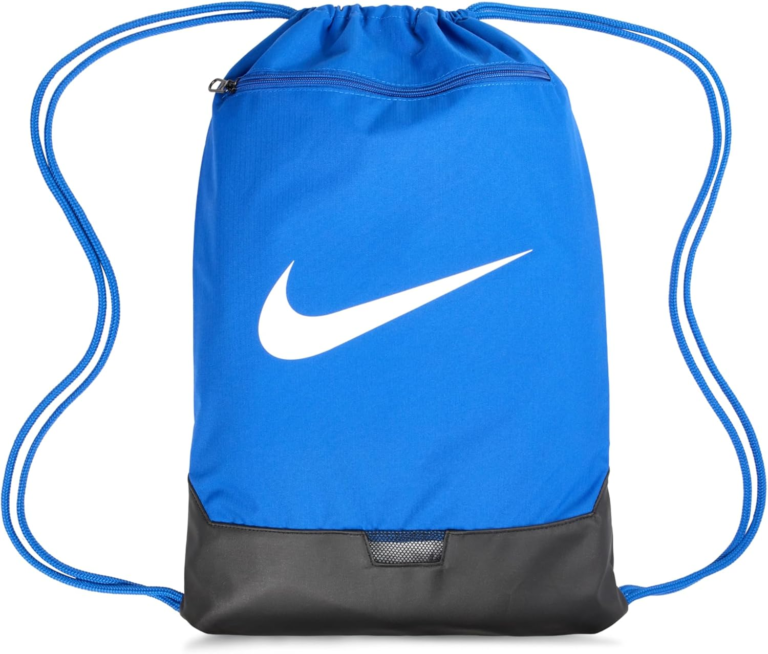
Reusable bags are shopping bags designed to be used multiple times, unlike single-use paper or plastic bags. They are typically made from durable materials such as fabric (canvas, cotton), natural fibers like jute, woven synthetic fibers (polypropylene, nylon, polyester), or thick plastic that can withstand repeated use. These bags are often sold in supermarkets and retail stores and are a more environmentally friendly alternative to disposable bags because they reduce waste and pollution associated with single-use bags.
Reusable bags need to be used many times—sometimes over 50 or even 100 uses—to offset the energy and resources used in their production compared to single-use plastic bags. They come in various types including tote bags, string bags, or wheeled trolley bags. Some reusable bags can also be recycled, especially those made of polypropylene. Overall, reusable bags help reduce litter, conserve resources, and promote sustainability by replacing hundreds of single-use plastic bags over their lifetime.