Google Officially Announced the Pixel 11 lineup on August 12, 2026
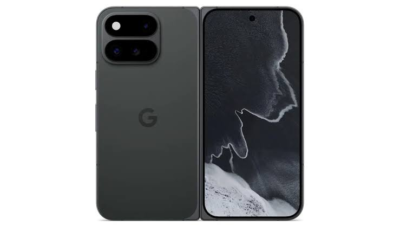
The Pixel 11 generation comes with higher starting prices than its predecessors.
Model Starting price with $200 Amazon Gift Card
|
Pixel 11 |
n/a | ||
|
Pixel 11 Pro | |||
|
Pixel 11 Pro XL |
Google Pixel 11 Pro Fold – Obsidian – 256 GB with $350 Amazon Gift Card
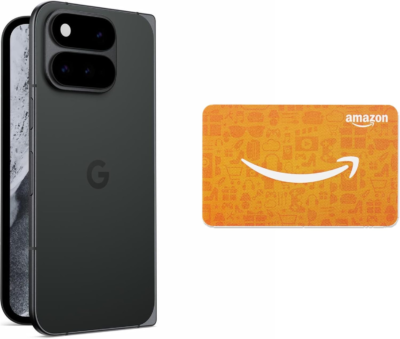
Google Pixel 11 Pro Fold – Obsidian – 512 GB with $350 Amazon Gift Card
The new flagship series consists of four models: the Pixel 11, Pixel 11 Pro, Pixel 11 Pro XL, and Pixel 11 Pro Fold. Devices are currently available for pre-order and will be released on August 20, 2026.
Key Highlights of the Pixel 11 Series
- Processor:Powered by the new Tensor G6 chip, offering improved thermal management, better battery efficiency, and faster app performance.
- HiLight System:A multi-color LED notification light built into the camera bar for glanceable alerts when the phone is face-down.
- Camera Upgrades:The base Pixel 11 features a upgraded 48MP main sensor that captures up to 56% more light, alongside 30x Super Zoom.
- Charging & Display:Includes upgraded 256GB base storage across the board, 25W Qi2.2 wireless charging, and brighter display panels (up to 3,600 nits peak brightness on the Pro models).
- Pricing:The Pixel 11 starts at $899, while the Pro starts at $1,099, Pro XL at $1,299, and Pro Fold at $1,899.
Google Officially Announces the Pixel 11 Lineup: Tensor G6, Smarter AI and a New Pro Fold
Google has officially unveiled its next-generation smartphone family, the Pixel 11 lineup, at its Made by Google 2026 event on August 12. The new family includes the Pixel 11, Pixel 11 Pro, Pixel 11 Pro XL, and Pixel 11 Pro Fold, marking Google’s latest push to combine custom hardware, advanced cameras, and Gemini-powered artificial intelligence.
Four Phones Make Up the Pixel 11 Family
The standard Pixel 11 is joined by two premium models—the Pixel 11 Pro and Pixel 11 Pro XL—as well as Google’s latest foldable, the Pixel 11 Pro Fold. Google is positioning the series as a more intelligent and capable generation rather than a radical redesign.
The lineup is powered by Google’s new Tensor G6 processor, which is designed to deliver faster performance and enable more advanced on-device AI capabilities.
Google’s official Pixel Store presence has also begun promoting the Pixel 11 family, confirming that the new generation is now part of its smartphone lineup.
Pixel 11 Gets a Refined Design
Visually, the Pixel 11 family retains the recognizable Pixel design language while introducing refinements to the hardware. The camera bar has been made slimmer, while the Pro models receive brighter displays and additional visual touches.
Google is also introducing HiLight, a new notification system that uses a small LED to provide visual alerts. The feature is designed to let users notice important notifications without constantly checking their screens.
The Pro models can reach brightness levels of up to 3,600 nits, making their displays better suited to bright outdoor environments.
Camera Upgrades Remain a Major Focus
Photography continues to be one of the Pixel 11 series’ biggest selling points. Google has upgraded the camera hardware and improved the software processing behind it, particularly on the Pro models.
The Pixel 11 Pro and Pro XL support up to 120x zoom, while improved sensors are designed to capture more light and deliver better results in challenging conditions.
Google is also introducing several new camera-focused tools.
Magic Capture
Magic Capture combines photos and video into a single capture experience. With a tap, the phone can record the moment and automatically create a curated collection that is ready to share.
Camera Looks
Another addition is Camera Looks, which gives users more control over the appearance and color characteristics of their photos directly through the camera experience. This is aimed at people who want a more distinctive photographic style without relying on third-party editing applications.
Creator Features
Google is also placing greater emphasis on mobile content creation. The new Creator Suite brings additional photography and video tools directly into the Pixel camera experience. Pro models also support enhanced video stabilization and 8K Pro Stable Video.
Gemini Intelligence Is at the Center
Perhaps the biggest theme of the Pixel 11 launch is artificial intelligence.
Google is building the phones around its latest Gemini capabilities, with the company aiming for Pixel devices to become more proactive rather than simply responding to commands. The approach follows Google’s broader strategy of making Gemini a central part of the Android and Pixel experience.
AI-powered features extend into photography, communication, productivity, and everyday assistance. Google is also offering buyers of the Pro models a six-month Google AI Pro subscription, giving them access to additional Gemini capabilities.
Pixel 11 Pro Fold: Google’s Foldable Gets More Durable
The Pixel 11 Pro Fold is the most ambitious member of the new family.
Google has refined the foldable with a thinner design, slimmer bezels, a brighter display, and improved durability. The company describes it as its most durable foldable phone yet.
The Fold also receives the new-generation camera and AI capabilities found across the Pixel 11 family, giving users a larger canvas for multitasking, photography, and productivity.
The standard Pixel 11 starts with 256GB of storage, while the new lineup also increases the baseline RAM configuration to 12GB.
Google’s decision to raise prices by roughly $100 across the lineup makes the Pixel 11 family more expensive, putting additional pressure on Google to demonstrate that its AI and camera improvements justify the increase.
Faster Wireless Charging and Longer Battery Life
All four Pixel 11 models support the newer Qi2.2 wireless-charging standard, providing faster wireless charging than previous generations. Google is also promising battery improvements, with the new phones rated for up to around 30 hours of battery life depending on the model and usage.
Pixel 11 vs. Pixel 10: What Has Changed?
The Pixel 11 isn’t a complete reinvention of Google’s flagship phone. Instead, Google has focused on refining the formula introduced with the Pixel 10 generation.
The biggest changes include:
New Tensor G6 processor
Improved camera sensors and zoom
Up to 120x zoom on Pro models
New Magic Capture photography feature
Camera Looks for more creative photo styles
Creator Suite for content creation
New HiLight notification system
Brighter Pro displays
Qi2.2 wireless charging
More advanced Gemini-powered features
A thinner and more durable Pixel 11 Pro Fold
The result is a generation that emphasizes software, AI, photography, and incremental hardware refinement rather than a dramatic change in design.
Google’s Strategy Is Clear
With the Pixel 11 series, Google appears to be doubling down on an area where Pixel has increasingly differentiated itself: AI-powered smartphone experiences.
Rather than competing solely on raw specifications, Google is using Tensor hardware, Gemini, computational photography, and Android to make the Pixel feel more personalized and proactive. That strategy is consistent with Google’s broader Pixel philosophy of integrating hardware, software, and AI into one experience.
The new Pixel 11 family therefore represents an evolution rather than a revolution. The familiar Pixel design remains, but Google has upgraded the internals, cameras, displays, foldable hardware, and—most importantly—the intelligence powering the devices.
With a higher price of entry, however, the Pixel 11 will need to prove that its new AI and camera capabilities offer enough practical value to stand out in an increasingly competitive flagship smartphone market.
Bottom line: The Pixel 11 lineup is Google’s most AI-focused Pixel generation yet, combining the new Tensor G6 chip, upgraded cameras, smarter Gemini features, brighter displays, faster wireless charging, and a redesigned foldable experience into one family. The standard Pixel 11 starts at $899, while the flagship Pixel 11 Pro Fold reaches $1,899.
Related Articles:
The 5 Best Google Pixel Phones for (2026)
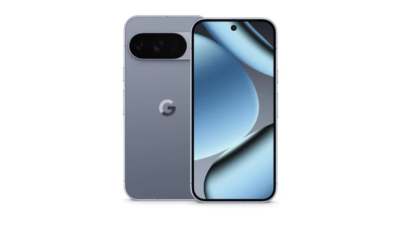
The Google Pixel lineup has undergone a massive transformation in 2026. With the full transition to the Tensor G5 chip—Google’s first fully custom-designed processor built on TSMC’s 3nm process—the “Pixel experience” is no longer just about clever software; it’s finally…