5 Best Lemon Pepper Seasonings (with buying guide and FAQs)
Lemon pepper seasoning delivers bright citrus tang paired with peppery heat. It shines on chicken (especially wings), seafood, vegetables, potatoes, salads, and even popcorn. Quality varies widely—some rely on real lemon peel and balanced spices, while others lean heavily on salt, citric acid, or artificial flavors. Here are five standout options based on flavor balance, reviews, versatility, ingredients, and value, plus a practical buying guide.
Buying Guide: What to Look For
- Lemon source and flavor quality: Prefer blends with dried lemon peel/zest or lemon oil for authentic brightness. Avoid those that taste overly artificial or like cleaner. Citric acid adds tang but can dominate if overused.
- Pepper quality and grind: Coarser cracked or ground black pepper provides better texture and heat that clings to food. Fine powder can disappear or feel dusty.
- Salt content: Many traditional blends are salt-forward (check sodium per serving). Choose salt-free or lower-sodium versions if you monitor intake or plan to salt food separately.
- Supporting ingredients: Onion, garlic, and sometimes sugar or celery seed add savory depth. Watch for anti-caking agents, dyes (e.g., Yellow 5), MSG, or unnecessary fillers if you prefer cleaner labels. Organic and gluten-free options exist.
- Texture and packaging: A free-flowing mix that doesn’t clump is ideal. Shaker bottles with good seals help. Larger bulk sizes offer better value for frequent users.
- Dietary needs and use case: Salt-free for low-sodium diets; organic/MSG-free for cleaner eating; coarser or garlic-forward for BBQ/grilling; finer for everyday sprinkling.
- Value and freshness: Compare price per ounce. Spices lose potency over time—buy sizes you’ll use within 6–12 months and store in a cool, dark place.
Taste preferences matter: some want bold lemon, others a more pepper-driven or savory profile. Start with smaller bottles if trying a new brand.
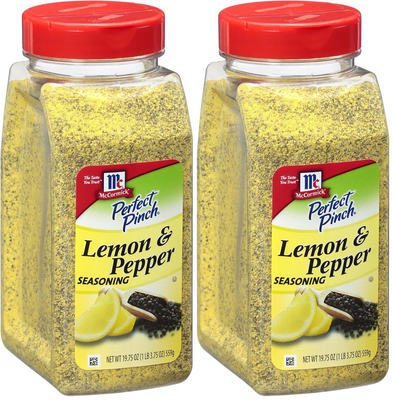
1. McCormick Perfect Pinch Lemon Pepper Seasoning — Best Overall
4.7 out of 5 ratings
A reliable kitchen staple with a classic zesty-sharp profile from salt, black pepper, citric acid, onion, garlic, and lemon oil (plus anti-caking agents and a touch of sugar/color). It balances brightness and pepper well, clings nicely to food, and works especially well on seafood, chicken, wings, salads, and vegetables. Widely available in multiple sizes (including larger ones), gluten-free, and no MSG added. Highly rated for consistent flavor and everyday versatility.
Best for: Everyday cooking and seafood/chicken.
Consider if: You want a proven, balanced classic (it is moderately salty).
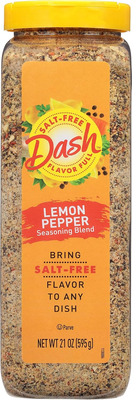
2. Dash Salt-Free Seasoning Blend, Lemon Pepper, 21 Ounce — Best Classic Fine-Grind Option
4.7 out of 5 ratings
Dash Salt-Free Seasoning Blend, Lemon Pepper, 21 Ounce. Features black pepper, salt, lemon peel, citric acid, garlic, onion, and supporting ingredients for a tangy, pungent blend with real lemon peel character. Often praised for a finer grind that distributes evenly and a flavor that many prefer over coarser alternatives. Excellent on fish, poultry, vegetables, potatoes, and as an all-purpose seasoning. No MSG added and kosher. Available in small and large sizes.
Best for: Even seasoning and those who like a refined, lemon-forward classic.
Consider if: You want a long-trusted brand with good citrus notes.
3. Badia Lemon Pepper Seasoning — Best Value / Bulk Option
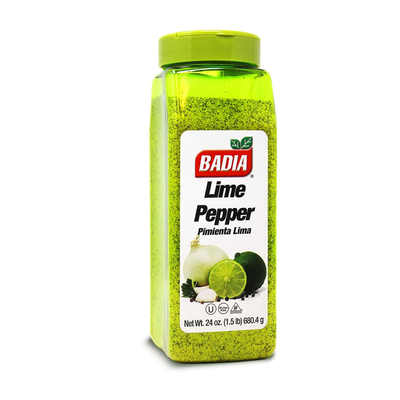
4.7 out of 5 ratings
A zesty citrus-and-savory blend of lemon, black pepper, garlic, and onion notes that delivers bright flavor at a strong price-per-ounce, especially in larger canisters (e.g., 24 oz). Popular for chicken, wings, seafood, vegetables, grilling, and everyday use. Reviewers frequently note good intensity and longevity of the large size.
Best for: Frequent users, budget-conscious cooks, and wings/grilled chicken.
Consider if: You want generous quantity without sacrificing solid lemon-pepper character (salt level can vary by perception—taste and adjust).
4. Kinder’s Organic Lemon Pepper — Best Organic / Premium Cleaner Option
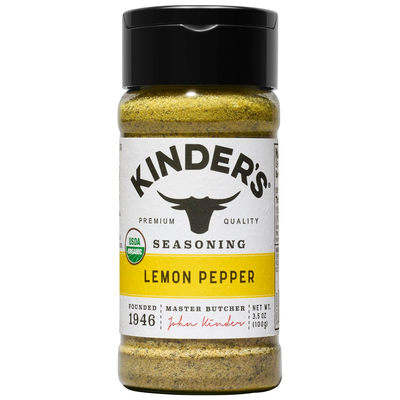
4.7 out of 5 ratings
USDA organic, MSG-free seasoning that combines lemon elements with cracked black pepper for a bright, zesty profile with savory depth. Reviewers highlight strong flavor on meats, seafood, vegetables, and more, with many calling it a standout or favorite. Available in various sizes; a little often goes a long way.
Best for: Those seeking organic certification and cleaner ingredients.
Consider if: You prioritize organic sourcing and don’t mind a potentially higher price per ounce.
5. True Lemon Pepper Seasoning — Best Low-Sodium / Salt-Free
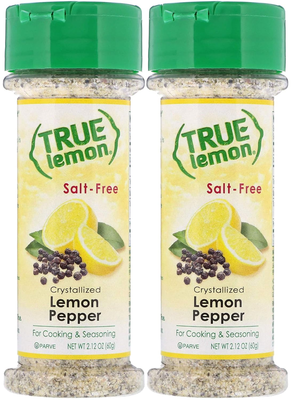
4.7 out of 5 ratings
True Lemon Pepper Seasoning (2 pack) Natural Ingredients, No Salt, No Gluten. A salt-free blend featuring lemon notes, cracked black pepper, and a mix of complementary spices (onion, garlic, herbs, citric acid, lemon peel/flavor elements). It provides genuine zest and pepper kick without sodium, making it ideal for restricted diets. Versatile on chicken, fish, vegetables, salads, and more; many users report they don’t miss the salt. Kosher and widely available in smaller shakers (larger sizes exist).
Best for: Low-sodium or salt-restricted diets.
Consider if: Flavor without added salt is the priority (it relies on herbs and spices for complexity).
Quick Comparison Tips
- Most versatile everyday: McCormick or Lawry’s.
- Best bang for the buck: Badia larger sizes.
- Cleanest/organic: Kinder’s.
- No salt: Dash.
Always check current labels for exact ingredients, sodium, and allergens, as formulations can update.
How to Use Lemon Pepper Seasoning
- Dry rub or sprinkle on chicken, fish, shrimp, or vegetables before grilling, roasting, air-frying, or baking.
- Finish cooked dishes or mix into melted butter/oil for a glaze (especially wings).
- Toss with potatoes, popcorn, salads, or eggs.
- Start light—taste and add more, especially with saltier blends. Pair with a squeeze of fresh lemon for extra brightness.
FAQs
What is lemon pepper seasoning made of?
At its core: lemon (peel, zest, oil, or citric acid) + black pepper + usually salt. Many add onion, garlic, sugar, and anti-caking agents. Quality versions emphasize real citrus and good pepper.
Is lemon pepper seasoning healthy?
It is low-calorie and can reduce the need for heavy sauces, but sodium content varies. Salt-free versions (like Dash) suit low-sodium diets. Check labels for additives if that matters to you.
Can I make my own?
Yes. Dry lemon zest, combine with coarsely ground black pepper, salt (to taste), and optional garlic/onion powder or a pinch of citric acid. Homemade versions taste fresher but lack the shelf stability and intense tang of some commercial blends.
How long does it last?
Properly stored (cool, dark, airtight), commercial blends stay potent for 1–2+ years, though peak flavor is best within the first year. Homemade lasts a few months.
What foods pair best with it?
Chicken (wings, breasts, thighs), fish and shrimp, roasted or grilled vegetables, potatoes, salads, popcorn, and pork. It also works in marinades or as a finishing sprinkle.
Why does some lemon pepper taste artificial?
Cheap lemon flavorings or heavy reliance on citric acid/dye can create an off or “cleaner-like” note. Look for real lemon peel or oil and balanced pepper.
Lemon pepper is one of the most versatile pantry staples. McCormick or Lawry’s covers most needs reliably; reach for Badia for value, Kinder’s for organic, or Dash when cutting sodium. Try one or two based on your priorities, and you’ll likely find yourself reaching for it constantly. Enjoy the zest!