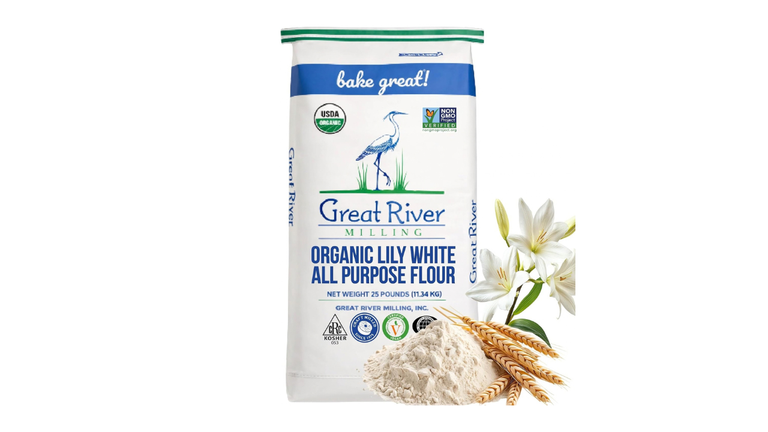
The best flours for pizza dough depend on your pizza style, oven temperature, and desired texture. Protein content (which drives gluten development), grind fineness, and absorption rates matter most. Higher protein generally means more structure and chew; finer grinds (like Tipo 00) yield silkier, more extensible dough ideal for high-heat bakes.
Here are the five top options, ranked by versatility and performance across common home and specialty setups.
1. Tipo 00 Flour (Especially Caputo Pizzeria Blue Bag)
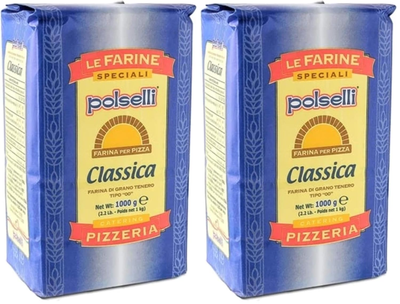
Tipo 00 refers to Italian milling standards for the finest grind, producing a silky, highly extensible dough that stretches thin without tearing. Pizza-grade versions typically have 11.5–13% protein. Caputo Pizzeria (blue bag) is the benchmark for authentic Neapolitan-style pizza: soft, pillowy cornicione (rim), tender center, and characteristic leopard spotting/char when baked at very high heat (800°F+/425°C+ for ~60–90 seconds).
Best for: Neapolitan or Roman-style in wood-fired, Ooni, Gozney, or other high-heat ovens.
Texture: Soft, tender, blistered, with balanced chew.
Notes: Absorbs less water than coarser flours—adjust hydration downward (often 58–65%). Less ideal as a pure substitute in standard home ovens (max ~500–550°F), where it can bake pale or soft without excellent heat transfer (steel/stone helps). Stronger Caputo variants (e.g., Chef’s/red bag, higher W-value ~300–320) handle longer cold ferments better.
Buying tip: Look for Caputo or equivalent AVPN-approved Italian 00 with listed protein around 12–12.5% and W-value 260–320 if available. Widely available online; store airtight.
2. Bread Flour (King Arthur Bread Flour)
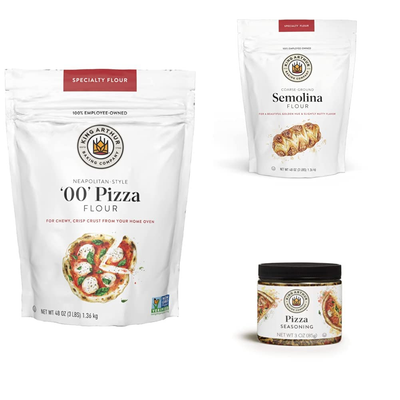
King Arthur Baking Company Ultimate Pizza Night Bundle, Contains One of Each: 00 Pizza Flour 3lb bag, Semolina Flour 3lb bag, Pizza Seasoning 3 Ounce Jar, Perfect for Homemade Pizza
Bread flour has 12–14% protein (King Arthur is a consistent ~12.7%), building strong gluten for chewy, structured crusts that support toppings and handle longer ferments. It browns reliably at home-oven temperatures thanks to malted barley in many U.S. brands and coarser grind.
Best for: New York-style, Detroit/Sicilian pan pizzas, and most home-oven pizzas (450–550°F). Excellent for 24–72 hour cold ferments.
Texture: Chewy, sturdy, open crumb, crisp bottom.
Notes: Higher absorption than 00—higher hydration (often 62–70%+) works well. Outperforms 00 in typical home setups for browning and structure.
Buying tip: King Arthur is widely available, consistent, and a top home-baker recommendation. Organic options (e.g., Central Milling) are praised for flavor in long ferments. Aim for 12.5%+ protein.
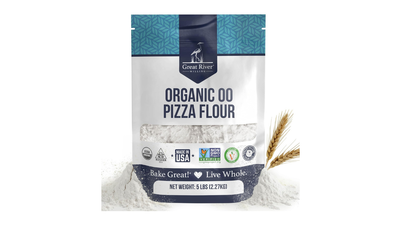
3. Great River Milling Organic 00 Pizza Flour
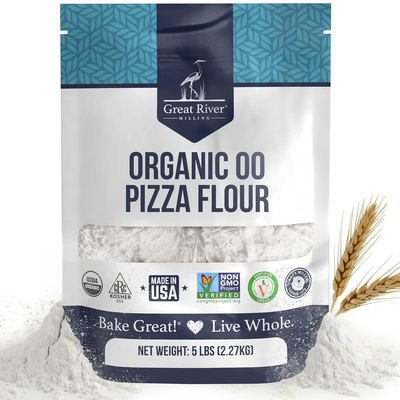
Great River Milling Organic 00 Pizza Flour, Neapolitan Style sits in the middle (typically 10–12% protein; King Arthur ~11.7%). It produces a balanced crust with moderate chew and crispness without specialized equipment or technique.
Best for: Everyday/classic pizza, thin-and-crispy styles, beginners, same-day or short-ferment doughs, and pan pizzas.
Texture: Tender with moderate chew and good crisp potential.
Notes: More forgiving and versatile for other baking. Results are solid but less “pizzeria-authentic” than bread flour or 00 for specific styles. Can be boosted with a bit of vital wheat gluten if needed.
Buying tip: Choose unbleached with the highest protein you can find. Extremely accessible and affordable.
4. High-Gluten Flour
This has the highest protein among common wheat flours (roughly 13.5–14.5%+; examples include King Arthur Sir Lancelot at ~14.2%). It delivers maximum strength, oven spring, and chew.
Best for: Extra-chewy New York-style, commercial-style crusts, high-hydration doughs, and very long cold ferments.
Texture: Strong, elastic, highly structured, and chewy.
Notes: Can feel tighter or more elastic if under-rested; longer fermentation helps it relax. Excellent for doughs that need to hold heavy toppings or survive extended proofing without collapsing.
Buying tip: Specialty or online sources; check protein percentage. Use when you specifically want maximum chew and structure.
5. Semolina Flour (Used as a Blend, 10–25%)
Semolina is a coarser, golden durum wheat flour (around 12–13% protein). Pure semolina is not ideal as the sole flour, but blending 10–25% into bread flour or 00 adds color, crispness, slight grittiness/chew, and better bottom texture. It also helps prevent sticking when dusting/stretching.
Best for: Enhancing Roman-style, al taglio, Detroit, or any crust where you want deeper golden color and extra crisp/chew. Great for dusting work surfaces or peels.
Texture: Adds nutty notes, golden hue, and crisp exterior with pleasant chew.
Notes: Absorbs water more slowly—rest the dough after mixing and adjust hydration as needed. Higher percentages can make dough denser or harder to stretch.
Buying tip: Look for fine or “rimacinata” (twice-milled) semolina for better incorporation. King Arthur or similar quality brands perform well.
Quick Comparison
| Flour Type | Typical Protein | Best Styles | Oven Preference | Key Strength |
|---|---|---|---|---|
| Tipo 00 | 11.5–13% | Neapolitan, thin/Roman | High-heat (800°F+) | Extensibility, soft texture |
| Bread Flour | 12–14% | NY, Detroit, home oven | 450–550°F | Chew, structure, browning |
| All-Purpose | 10–12% | Everyday, thin/crispy, beginners | Any | Versatility, accessibility |
| High-Gluten | 13.5–14.5%+ | Extra-chewy NY, long ferments | Home or pro | Maximum strength & chew |
| Semolina (blend) | ~12–13% | Enhancement, Roman/pan | Any | Color, crisp, dusting |
Buying Guide
- Key specs to check: Protein percentage is the most accessible number. W-value (flour strength) is useful when listed (higher W for longer ferments/higher hydration; e.g., 260–320 is a solid pizza range). Ash content and grind matter more for specialty Italian flours.
- Match to your setup: High-heat outdoor pizza oven → prioritize quality 00 (Caputo). Standard home oven + steel/stone → bread flour or stronger 00. Quick weeknight pizza → all-purpose is fine.
- Brands to prioritize: Caputo (Italian authenticity), King Arthur (consistency and availability), Central Milling (organic bread flour performance). Avoid low-protein cake/pastry flours.
- Other factors: Organic preferred by some for flavor in long ferments. Unbleached is standard. Buy in quantities you’ll use; flour absorbs odors/moisture—store airtight in a cool, dry place (refrigerate whole-grain versions).
- Hydration & technique adjustments: Always weigh ingredients. Different flours absorb differently—start with a recipe tailored to the flour and adjust by feel (dough should be soft but manageable). Longer cold fermentation improves flavor and handling across the board.
- Budget: All-purpose is cheapest; premium 00 and specialty high-gluten cost more but deliver noticeable results for dedicated pizza makers.
FAQs
Can I use all-purpose flour for good pizza?
Yes—especially for casual or thin/crispy styles. Expect less chew and structure than bread flour, but results are still excellent with good technique (hot surface, proper fermentation).
Is 00 flour necessary?
No. It shines for high-heat Neapolitan but is not required for great homemade pizza. Bread flour often outperforms it in home ovens.
Bread flour vs. 00—which is better?
Depends on style and oven. 00 for soft, extensible high-heat crusts; bread flour for chewy, structured home-oven or NY-style results.
How does protein content affect dough?
Higher protein = more gluten = stronger, chewier, more elastic dough that holds shape and supports toppings better. Lower protein yields more tender results.
Should I blend flours?
Yes—common and effective. Bread flour + 10–25% semolina is popular for color and crisp. Some blend 00 and bread flour for hybrid characteristics.
What about gluten-free?
Requires specialized blends (often rice + starches + binders). Results differ significantly from wheat-based crusts; look for pizza-specific GF mixes.
Storage and shelf life?
Airtight container, cool/dry place. Use within a few months for best performance; whole-wheat or higher-extraction flours go rancid faster.
Choose based on the pizza you want to make most often and your oven. Start with King Arthur bread flour or Caputo 00 depending on your setup—they are the two most frequently recommended foundations—and experiment from there. Weigh your ingredients, respect fermentation time, and use a hot baking surface for the best results.