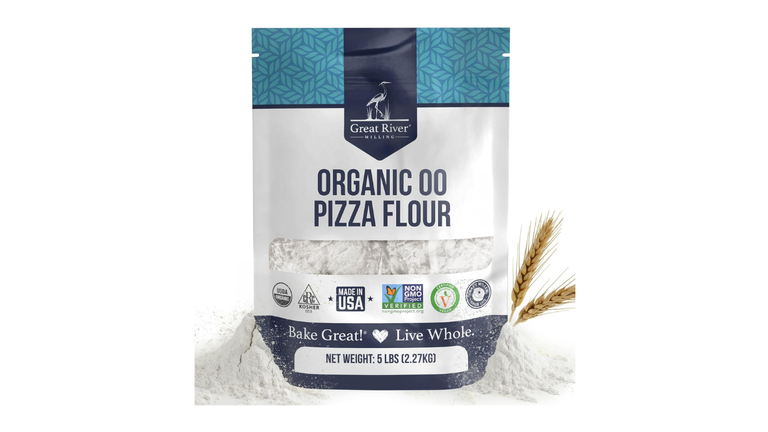
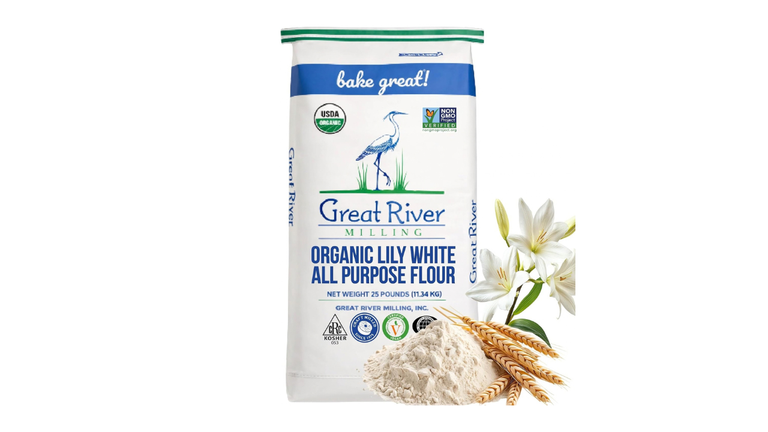
The 5 best flours for pasta are semolina (durum wheat), Italian Tipo 00, a semolina + 00 blend, all-purpose flour, and a dedicated pasta flour blend (or durum flour). The ideal choice depends on the style of pasta—chewy extruded or water-based shapes versus silky egg pasta—and your priorities for texture, ease, and authenticity.
Flour is the main ingredient in pasta, so protein content (typically aiming for roughly 10–15%), grind fineness, and wheat type (hard durum vs. softer wheat) strongly influence gluten development, dough handling, cooked texture (al dente chew vs. tender silkiness), color, sauce cling, and flavor.
1. Semolina Flour (Durum Wheat / Semola Rimacinata)
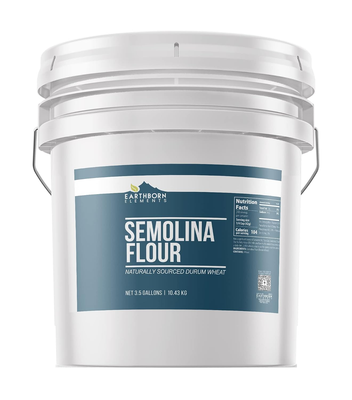
Semolina, milled from hard durum wheat, is the classic choice for traditional Italian pasta, especially Southern-style or eggless doughs. It has high protein (often 12–14% or higher), a coarser/granular texture (finer “rimacinata” or twice-milled versions work best for home dough), golden color, nutty flavor, and excellent structure.
Best for: Sturdy, chewy al dente pasta (spaghetti, orecchiette, cavatelli, penne-style, rustic hand-shaped or extruded noodles); water-based doughs; shapes that need to hold up to hearty ragùs or tomato sauces. It creates a rough surface that grips sauce well.
Pros: Firm bite, shape retention, authentic flavor and color, good for eggless pasta.
Cons: Can feel stiffer and require more kneading/resting (or a machine); coarser versions are harder to roll by hand than fine ones.
How to use: Often mixed with water (or eggs for richness). Look for “semola di grano duro rimacinata.” Popular options include Bob’s Red Mill Semolina Pasta Flour, King Arthur Semolina, and Caputo Semola Rimacinata.
2. Italian Tipo 00 Flour
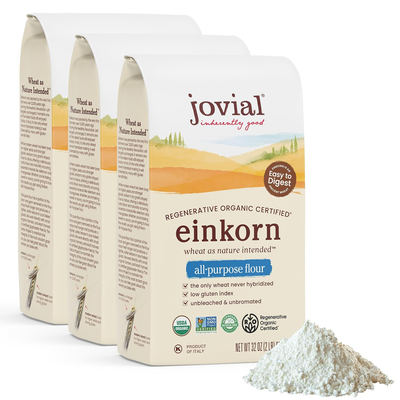
Tipo 00 (doppio zero) is a very finely milled soft-wheat flour graded by refinement (ash content) rather than protein alone. Protein typically falls around 10–12.5% depending on the brand and formulation. It produces smooth, elastic, tender dough that rolls paper-thin easily.
Best for: Silky fresh egg pasta (tagliatelle, pappardelle, fettuccine, lasagna sheets, ravioli, tortellini, and other stuffed or delicate shapes). Ideal with cream or butter sauces.
Pros: Supple, easy-to-roll dough; tender, refined texture and mouthfeel.
Cons: Less chew and structure than pure semolina for robust shapes; quality varies by brand.
How to use: Classic with eggs. Standout options include Caputo Pasta & Gnocchi or Pasta Fresca 00 flours and other Italian 00 pasta-specific brands. Some pizza 00 flours also work well.
3. Semolina + Tipo 00 Blend
A 50/50 (or adjustable 70/30 either way) mix combines the chew, color, and structure of semolina with the silkiness and workability of 00. Many experienced makers consider this the most versatile everyday approach.
Best for: Everyday fresh pasta of many shapes; balancing tenderness with bite. Use more 00 for delicate/stuffed pasta and more semolina for thicker or sauce-heavy styles.
Pros: Best of both worlds—easier handling than pure semolina, more character and sauce grip than pure 00.
Cons: Requires keeping two flours (or buying a pre-blend).
How to use: Start at 50/50 with eggs or a mix of egg and water; adjust ratios and hydration as needed. Rest the dough so gluten relaxes.
4. All-Purpose Flour
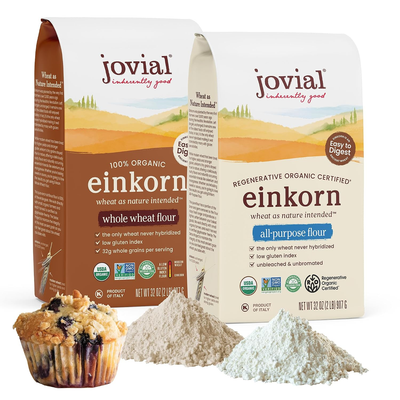
Standard unbleached all-purpose flour (protein often ~10–12%, e.g., King Arthur around 11.7%) is the most accessible option and produces solid results, especially for egg pasta. The texture lands between boxed dried pasta and finer Italian styles.
Best for: Beginners, weeknight pasta, or when specialty flours are unavailable. Works for most rolled egg pastas and can be blended with semolina.
Pros: Widely available, inexpensive, easy to work with, reliable.
Cons: Less distinctive flavor/color and often less chew or refinement than durum or 00; avoid bleached versions (they can weaken structure).
How to use: Combine with eggs and salt. Higher-protein brands perform better. Dust with semolina if available to prevent sticking.
5. Dedicated Pasta Flour Blend or Durum Flour
Products like King Arthur Pasta Flour Blend (or similar durum-based or multi-wheat pasta mixes) combine strengths of durum/semolina with easier-handling flours for toothsome-yet-tender results in one bag. Pure durum flour (finer than coarse semolina) also falls here and yields pale-yellow, strong pasta.
Best for: Convenient one-flour solution for various shapes; consistent home results without blending.
Pros: Balanced texture, simplified pantry, often optimized specifically for pasta.
Cons: May be less traditional or slightly more expensive than basic options; availability varies.
How to use: Follow package guidance or treat similarly to a 00/semolina mix. Pair with eggs for most fresh pasta.
Honorable mentions: Whole-wheat flour for nuttier flavor and more fiber (expect denser texture—blend with white flour); gluten-free blends (typically rice + starches + binders like xanthan) for dietary needs, though results differ from wheat pasta.
Buying Guide
- Key factors: Protein content in the 10–15% range for good gluten without toughness; grind (extra-fine/00 or rimacinata for smooth dough; coarser semolina for chew and dusting); wheat type (durum for structure/color, soft for tenderness); unbleached preferred. Italian brands often excel for authenticity, but quality U.S. options (Bob’s Red Mill, King Arthur) perform excellently and are easier to find.
- What to look for on labels: “Semola di grano duro rimacinata,” “Tipo 00,” “pasta flour,” or specific protein percentages. Avoid bleached flour.
- Where to buy: Supermarkets (Bob’s, King Arthur), Italian markets, or online (Caputo widely available). Start with smaller bags to test.
- Storage: Cool, dry, airtight container. Flour can go rancid (especially whole-grain); use within months of opening or freeze for longer storage. Check for freshness by smell.
- Budget tip: All-purpose or basic semolina is economical for practice; invest in Caputo or similar for special batches. Blends reduce the need for multiple specialty bags.
- Quantity: A typical batch uses 200–400 g flour; buy accordingly if making pasta often.
FAQs
Can I use regular all-purpose flour for pasta?
Yes. It works well, especially with eggs, and is far better than not making pasta at all. Results are softer and less “authentic” than semolina or 00 but still excellent.
What’s the difference between semolina and 00 flour?
Semolina (hard durum) is coarser/golden, higher-protein, and builds chewy structure—ideal for sturdy or water-based pasta. 00 is ultra-fine soft wheat, better for silky, tender egg pasta that rolls thin. Blending is common.
Do I need eggs?
No. Traditional Southern Italian pasta is often just semolina + water. Eggs enrich Northern-style doughs, add color/flavor, and improve tenderness/pliability with softer flours.
What’s the best flour for beginners?
All-purpose or a 50/50 semolina + 00 (or pasta blend). These are more forgiving than pure coarse semolina.
How do I prevent sticky dough or pasta?
Adjust hydration (flour absorbs differently by type and humidity), knead until smooth/elastic, rest 30+ minutes, and dust with semolina or flour. Don’t overwork once rested.
Is there a good gluten-free option?
Yes—use a balanced blend (e.g., brown rice flour base + tapioca/starch + binder). Single flours rarely succeed alone; results won’t fully match wheat pasta but can be very good.
Does brand matter?
Yes for consistency and performance. Caputo, Bob’s Red Mill, and King Arthur are frequently recommended and reliable. Protein and grind vary even within categories.
How long does homemade pasta keep?
Fresh: cook same day or refrigerate briefly (or freeze). Dry thoroughly for longer storage if using high-protein flours like semolina.
Experiment with small batches—the “best” flour is the one that matches the texture and dish you prefer. Start with a simple egg pasta using all-purpose or a blend, then try pure semolina or 00 to taste the differences. Fresh pasta is forgiving and rewarding once you understand how each flour behaves.