
7 Best Dried Fruits and Vegetables of 2026
Dried fruits and vegetables are having a strong moment in 2026. They are convenient, lightweight, easy to store, and useful for everything from everyday snacking to hiking, travel, cooking, and emergency food supplies. Removing water also concentrates the food, so a small amount can provide a substantial amount of flavor, fiber, and nutrients.
The best choices, however, are not necessarily the sweetest or most colorful options. When shopping, look for products with simple ingredient lists, little or no added sugar, appropriate sodium levels, and packaging that protects the food from moisture.
Here are seven of the best dried fruits and vegetables to consider in 2026.
1. Dried Mango
4.5 out of 5 ratings
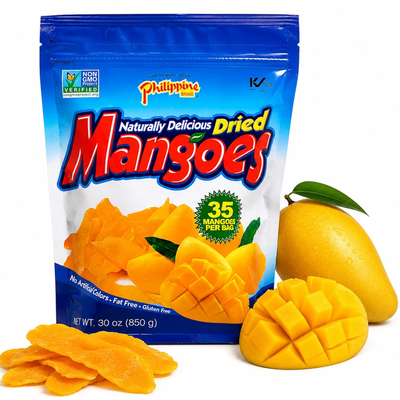
Dried mango is one of the easiest dried fruits to enjoy as a snack. It has a naturally sweet, tropical flavor and a chewy texture that makes it a good alternative to candy.
For the healthiest everyday option, choose unsweetened or no-added-sugar mango. Some commercial varieties contain significant amounts of added sugar, which can turn an otherwise simple fruit snack into a much sweeter product.
Best for: Snacking, trail mix, lunch boxes, and travel.
What to look for: Mango as the primary or only ingredient, minimal added sugar, and soft but not excessively sticky pieces.
2. Dried Apricots
4.5 out of 5 ratings
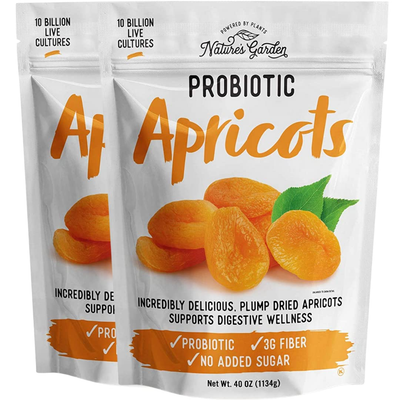
Dried apricots are a versatile choice with a sweet-tart flavor. They can be eaten alone, chopped into oatmeal, added to salads, or incorporated into baked goods.
They are also a useful source of potassium and fiber. USDA guidance specifically lists dried peaches and apricots among fruit choices that can contribute potassium.
Dried apricots can vary considerably in color. Bright orange varieties may have been treated with sulfites, while naturally dried apricots are often darker.
Best for: Breakfasts, baking, hiking, and high-fiber snacks.
What to look for: Low or no added sugar and a texture that is moist enough to chew without being wet or sticky.
3. Dried Raisins
4.7 out of 5 ratings
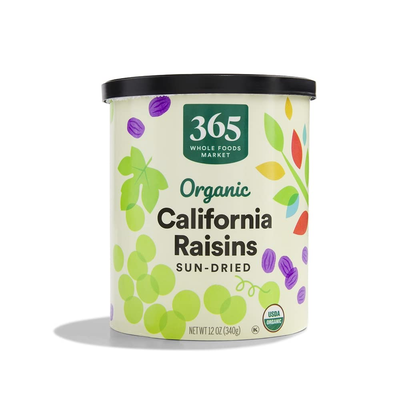
Raisins remain one of the most practical dried fruits because they are inexpensive, widely available, and easy to use. They work equally well as a snack or cooking ingredient.
Try adding them to oatmeal, cereal, salads, rice dishes, homemade granola, or trail mix. Because the water has been removed, raisins are energy-dense, so portion size matters. Dried fruit generally provides concentrated calories and sugars compared with the same fruit in its fresh form.
Best for: Budget-friendly snacking, baking, breakfast foods, and trail mix.
What to look for: Raisins without unnecessary added sweeteners or oils.
4. Dried Prunes

4.5 out of 5 ratings
Prunes—dried plums—are one of the more nutrient-dense dried fruits and are particularly well known for their fiber content. They also provide potassium and vitamin K.
Their naturally rich flavor works well on its own, but prunes can also be chopped into oatmeal, blended into smoothies, or used in baking.
They are especially popular among people looking for a dried fruit that supports regular digestion. Because prunes can have a laxative effect, large quantities may cause digestive discomfort.
Best for: Fiber-focused diets, breakfast, baking, and digestive-friendly snacks.
What to look for: Soft, plump fruit without excessive added sugar.
5. Freeze-Dried Strawberries

4.5 out of 5 ratings
Freeze-dried strawberries provide a very different experience from traditional dehydrated fruit. They are light, crisp, intensely fruity, and easy to crush over cereal, yogurt, or desserts.
Freeze-drying removes water through sublimation and produces a shelf-stable product when it is properly packaged in moisture-proof, sealed packaging.
Because the texture is crisp and the fruit flavor is concentrated, freeze-dried strawberries are also useful for homemade snack mixes and baking.
Best for: Crunchy snacks, cereal, yogurt, smoothies, and desserts.
What to look for: Whole strawberries or pieces with no added sugar and minimal ingredients.
6. Dried Tomatoes
4.5 out of 5 ratings
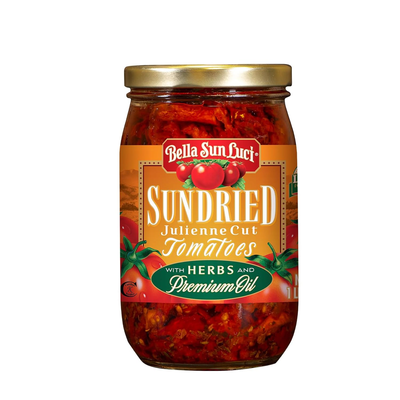
Bella Sun Luci Sun Dried Tomatoes Julienne Cut in Olive Oil, 16 Oz Glass Jar, Mediterranean Italian Style Sun‑Ripened Tomatoes in Oil, Kosher, Vegan, Gluten‑Free, Pasta Pizza Salad Ingredient, Premium Pantry
Dried tomatoes are among the most useful dried vegetables for cooking. Their concentrated savory flavor can add depth to pasta, salads, sandwiches, soups, sauces, pizzas, and grain bowls.
Unlike sweet dried fruits, dried tomatoes are primarily a culinary ingredient. Some products are packed in oil, while others are sold completely dry. The right option depends on how you plan to use them.
If you are watching sodium intake, check the nutrition label carefully because some seasoned or salted varieties can contain considerable sodium.
Best for: Pasta, salads, sauces, pizza, sandwiches, and Mediterranean-style dishes.
What to look for: Tomatoes with a straightforward ingredient list and a sodium level appropriate for your diet.
7. Dehydrated Carrots
4.7 out of 5 ratings
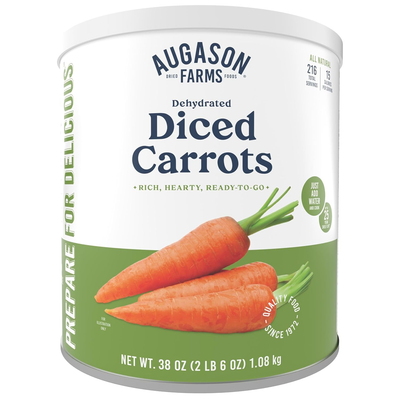
Augason Farms Dehydrated Diced Carrots Can
Emergency Food Supply, 216 Servings, 25 Year Shelf Life, Great for Cooking, Baking, and Snacks, Dehydrated Meals
Dehydrated carrots are a practical dried vegetable for soups, stews, rice dishes, camping meals, and long-term pantry storage. Unlike many snack-style vegetable products, dehydrated carrots can be rehydrated and incorporated into cooked meals.
USDA food guidance notes that dehydrated vegetables can gain weight and volume as they absorb water during soaking and cooking.
For everyday cooking, choose plain dehydrated carrots rather than heavily seasoned products. This gives you more control over salt and spices.
Best for: Soups, stews, camping meals, emergency food storage, and pantry cooking.
What to look for: Plain carrots, consistent pieces, low moisture, and moisture-resistant packaging.
Buying Guide: How to Choose the Best Dried Fruits and Vegetables
Check the ingredient list
For everyday snacking, the simplest ingredient list is often the best starting point. Ideally, dried fruit should contain the fruit itself, while dried vegetables should contain the vegetable without unnecessary flavorings.
Be particularly cautious with products marketed as “fruit snacks,” since these may contain added sugars or other ingredients rather than being simply dried fruit.
Look for little or no added sugar
Fruit naturally contains sugar, and drying concentrates it. Added sugar can increase the sweetness and calorie density even further.
Compare the total sugars and added sugars on the Nutrition Facts label. The USDA recommends keeping added sugars low when preparing fruit-based foods.
Consider sulfites
Some dried fruits, particularly dried apricots, may contain sulfites to preserve color and quality. If you are sensitive to sulfites, check the ingredient list and choose a product labeled appropriately for your needs.
Decide between dehydrated and freeze-dried
Traditional dehydration usually produces a chewy, dense product. Freeze-drying creates a much lighter, crispier texture and can preserve the original shape more closely.
Freeze-dried foods need moisture-proof, hermetically sealed packaging to remain shelf stable.
Check sodium in dried vegetables
Plain dried vegetables can be a convenient ingredient, but seasoned versions may contain added salt. If you are comparing two similar products, check the sodium per serving rather than relying only on front-of-package claims.
Inspect the packaging
Moisture is one of the biggest enemies of dried foods. Look for sealed, intact packaging with no tears, holes, or signs of moisture exposure. USDA guidance recommends protecting dry foods from dampness and storing them in airtight containers when appropriate.
Think about how you will use them
Choose based on your purpose:
For snacking: dried mango, apricots, raisins, or prunes
For crunchy snacks: freeze-dried strawberries
For cooking: dried tomatoes or dehydrated carrots
For hiking: lightweight fruits and vegetables with no refrigeration requirement
For pantry storage: properly packaged dehydrated or freeze-dried vegetables
Store them properly
Keep dried foods in a cool, dry location and follow the manufacturer’s storage instructions. Once opened, reseal the package tightly to protect the food from moisture.
For example, USDA guidance says dried apricots, prunes, and raisins can retain top quality in the pantry for about six months; after opening, refrigeration can help preserve quality for up to another six months.
Dried fruit is nutritious, but removing water makes it much easier to eat a large amount quickly. A modest serving can contain considerably more fruit than it appears to contain visually. For that reason, portioning dried fruit into a small bowl rather than eating directly from a large package can make it easier to moderate intake.
Final Thoughts
The best dried fruits and vegetables of 2026 are those that combine good ingredients, useful nutrition, enjoyable texture, and appropriate packaging. Dried mango and apricots are excellent sweet snacks, raisins offer affordability and versatility, prunes stand out for fiber, and freeze-dried strawberries provide a crunchy alternative. For savory cooking, dried tomatoes and dehydrated carrots are particularly useful.
Whatever variety you choose, prioritize simple ingredients, limit unnecessary added sugar and sodium, and store the product properly. Dried produce can be a convenient addition to a balanced diet, but it works best as part of a varied diet that also includes fresh, frozen, and other minimally processed foods.