
The American carbonated beverage market in 2026 continues to evolve through a mix of legendary classics, bold flavor innovations, and modern functional sodas. Whether you are looking for classic nostalgia or gut-healthy refreshers, these seven carbonated drinks lead store shelves and consumer favorites across the United States.
1. Coca-Cola Original
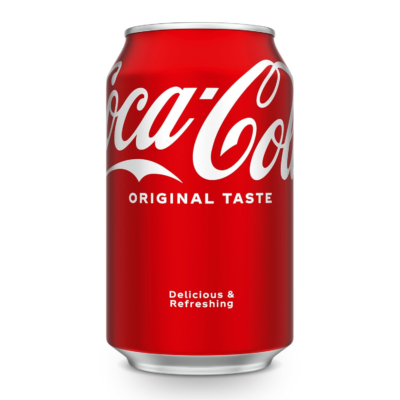
- Flavor Profile: Classic cola with caramel, vanilla, and subtle spice notes.
- Why It’s a Top Pick: Coca-Cola remains the undisputed king of soft drinks in the U.S. Its iconic fizz and unmistakable taste make it a staple for everything from quick lunch runs to backyard barbecues.
2. Dr Pepper
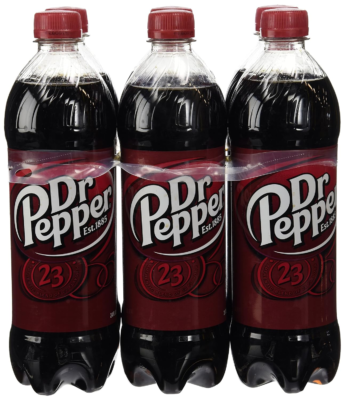
- Flavor Profile: A unique blend of 23 distinct fruit, spice, and botanical flavors.
- Why It’s a Top Pick: Solidifying its place as the #2 soft drink in America by volume, Dr Pepper continues its surge in popularity.Driven by viral coffee-shop “dirty soda” creations and popular lineup additions like Strawberries & Cream, it appeals to both longtime fans and younger demographics.
3. Poppi Prebiotic Soda
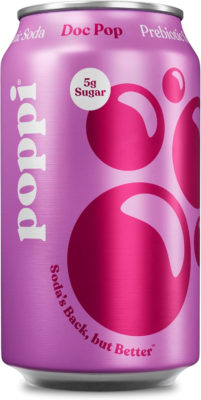
- Flavor Profile: Bright, fruit-forward flavors like Strawberry Lemon, Raspberry Rose, and Cherry Limeade.
- Why It’s a Top Pick: Representing the massive shift toward functional “better-for-you” sodas, Poppi combines clean flavors with gut-health benefits, featuring 3 grams of dietary fiber and under 5 grams of sugar per can. It offers the crisp carbonation of classic sodas without the traditional sugar intake.
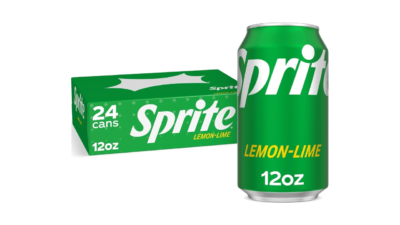
4. Sprite
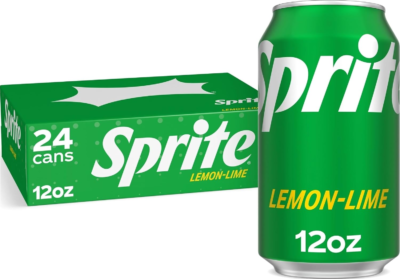
- Flavor Profile: Crisp, clean lemon-lime citrus.
- Why It’s a Top Pick: Holding a strong position as America’s favorite non-cola carbonated drink, Sprite delivers maximum refreshment. Its zero-caffeine profile and clean bite make it an essential choice for dining and mixing.
5. Diet Pepsi Cola
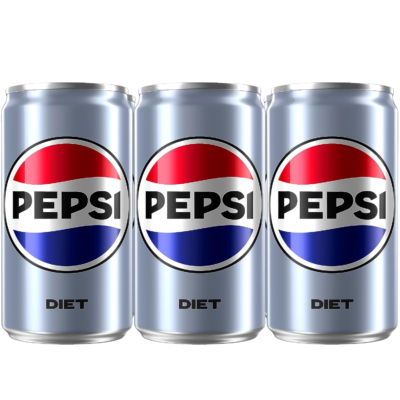
- Flavor Profile: Bold, smooth cola with a slightly sweeter finish than traditional diet sodas.
- Why It’s a Top Pick: Diet Pepsi Cola Soda Pop. Light, crisp, and refreshing with 0 calories and 0g sugar. This bold, refreshing cola was born in New Bern, NC in 1898 and is still proudly bottled in the USA. It’s the official soft drink of the National Football League, Major League Baseball, and cola lovers everywhere.
6. Mountain Dew
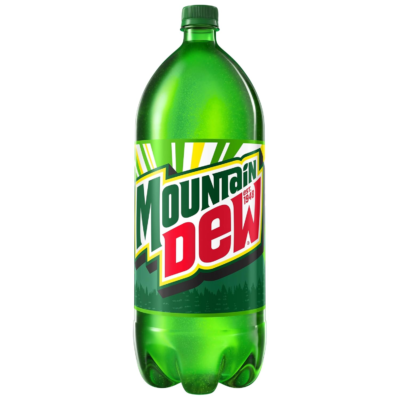
- Flavor Profile: High-octane citrus with a distinct blend of lemon, lime, and orange notes.
- Why It’s a Top Pick: A powerhouse in convenience stores and gaming culture, Mountain Dew maintains a loyal following. Known for its punchy flavor and higher caffeine content, it remains a go-to pick-me-up.
7. Olipop Probiotic Soda
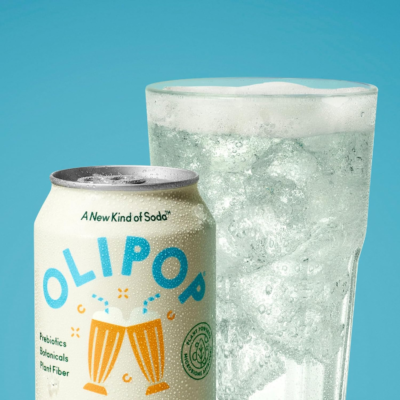
- Flavor Profile: Nostalgic favorites including Vintage Cola, Root Beer, and Crisp Apple.
- Why It’s a Top Pick: Olipop bridges the gap between classic soda fountains and modern wellness. Packed with plant fiber and prebiotics, it recreates traditional, comfort-food soda flavors using natural botanicals and fruit juices.
Key U.S. Carbonated Drink Trends
| Trend | Market Focus | Primary Drivers |
| Functional Sodas | Gut health, prebiotics, and low sugar | Gen Z & Millennial health focus |
| Flavor Mashups | “Dirty sodas,” sweet & spicy, creamy fruit blend | TikTok trends and customized beverage culture |
| Zero Sugar Expansion | Full-flavor zero calorie options | Modern sweetener blends with improved taste |
Frequently Asked Questions (FAQs)
General & Terminology
What is the difference between “soda,” “pop,” and “coke” in the US?
These terms refer to the same type of carbonated soft drink, but usage varies by region:
- Soda: Dominates the East Coast, West Coast, and New England.
- Pop: Widely used in the Midwest and Pacific Northwest.
- Coke: Used as a generic term for any soft drink in much of the American South, regardless of brand.
What gives carbonated drinks their fizz?
Beverages are carbonated by dissolving carbon dioxide gas into the liquid under high pressure. When you open the bottle or can, the pressure drops, allowing the dissolved gas to escape as bubbles of carbonic acid, which creates that signature tingly mouthfeel.
Health & Nutrition
Does drinking seltzer or sparkling water cause bone loss or calcium depletion?
No. Early studies linked soft drinks to lower bone density, but further research showed this was tied specifically to colas containing phosphoric acid, not carbonated water itself. Plain sparkling water or plain seltzer does not weaken bones.
Is carbonated water as hydrating as regular tap water?
Yes. According to health institutions like the Mayo Clinic, carbonated water hydrates the body just as effectively as still water. However, flavored options containing added sugars, citric acid, or sodium should be monitored for overall nutrition.
Does diet soda help with weight loss?
Replacing full-sugar sodas with diet alternatives cuts calories immediately, which can aid short-term weight management. However, long-term studies present mixed findings on artificial sweeteners and craving responses. Moderate consumption alongside a balanced diet remains the standard recommendation.
Do carbonated beverages damage tooth enamel?
Yes, to varying degrees.The carbonation process creates carbonic acid, giving fizzy drinks a low pH level.Sugary sodas pose the highest risk because bacteria feed on the sugar to produce additional enamel-wearing acids. Unflavored seltzers are significantly less acidic than sugary sodas, making them much safer for teeth.
Ingredients & Regulatory Standards
| Ingredient | Role in Beverage | Notes |
| High-Fructose Corn Syrup (HFCS) | Primary caloric sweetener | Preferred over cane sugar in the US market due to domestic corn supply and cost effectiveness. |
| Phosphoric Acid | Tangy flavor profile & preservative | Commonly added to dark colas; gives a sharp taste profile. |
| Aspartame / Sucralose | Non-nutritive sweeteners | Used in “Diet” or “Zero Sugar” variants to supply sweetness without calories. |
| Sodium Benzoate | Preservative | Prevents mold and bacterial growth in acidic, shelf-stable liquids. |
How are carbonated soft drinks regulated in the US?
The U.S. Food and Drug Administration (FDA) regulates carbonated beverages under the Federal Food, Drug, and Cosmetic Act.The FDA oversees safe manufacturing practices (CGMPs), approves color and flavor additives, and mandates standard Nutrition Facts labeling, including caffeine declarations when added.
Market Trends & Usage
What is the difference between “Diet” and “Zero Sugar” sodas?
While both contain zero calories, “Diet” formulations (like Diet Coke) generally feature distinct flavor profiles separate from the original recipe. “Zero Sugar” options (like Coca-Cola Zero Sugar) use updated sweetener blends (often combining aspartame and acesulfame potassium) designed to mimic the exact taste of the full-sugar original.
What is soda tax, and where does it apply in the US?
A soda tax (or sugar-sweetened beverage tax) is a local excise tax charged on sugary drinks to curb consumption and fund public health initiatives. It is not a federal tax; instead, specific municipalities—including San Francisco, Berkeley, Philadelphia, and Seattle—pass local ordinances.